1 January, 2026


February 3, 2026

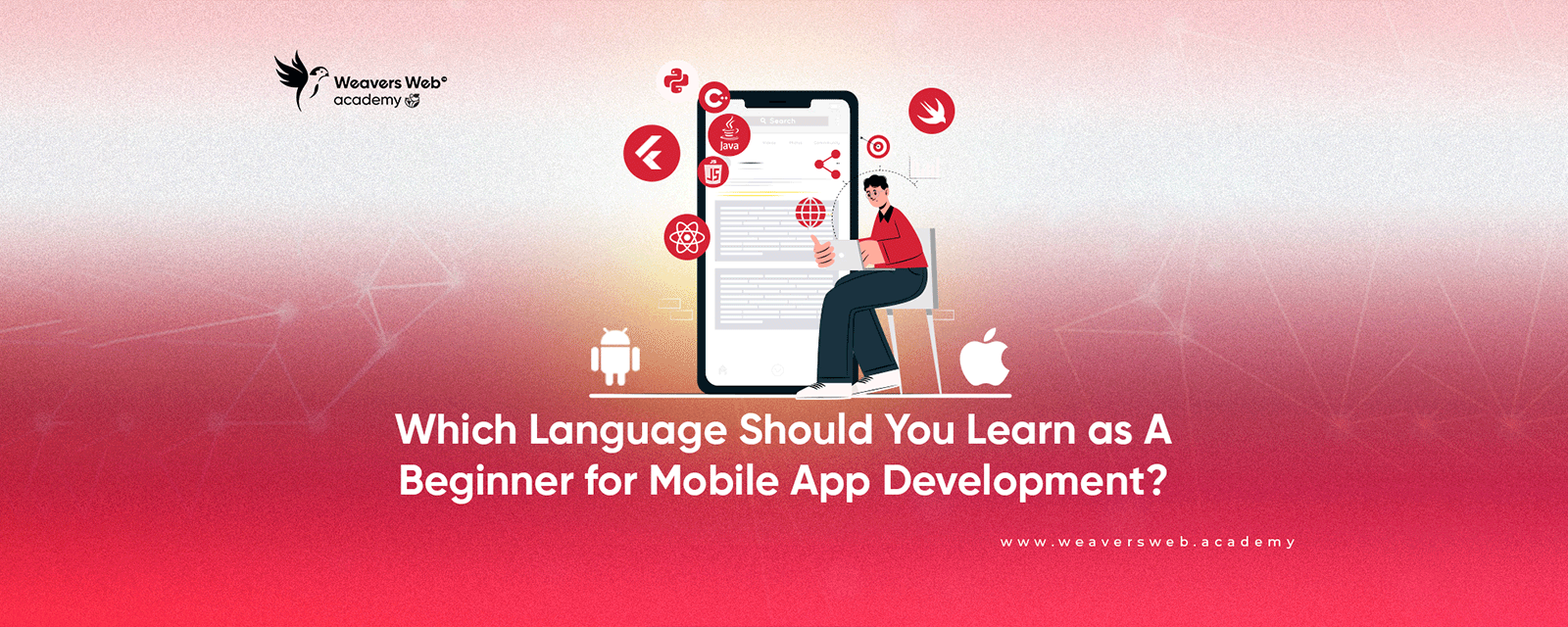
The mobile app industry continues to grow rapidly, powering everything from social networking and digital payments to healthcare, education, and enterprise solutions. With innumerable smartphone users worldwide, mobile app development has become one of the most lucrative and future-proof career options in the tech ecosystem today. However, aspiring developers often face a critical question before they begin their journey: choosing between Android Development and iOS Development.
Both platforms offer strong career opportunities, high salaries and global demand. Still, they differ significantly in terms of technology stack, learning curve, development environment, market reach and long-term career growth.
This detailed blog will help you make an informed decision by comparing Android and iOS app development from every critical angle, including the technical, educational, financial, and career perspectives. It will help you choose the right career path.
Before diving into code, tools or salaries, it is essential to understand what choosing a platform really means. Android and iOS dominate the global smartphone market, but they serve different audiences and ecosystems.
Android powers devices from a varied number of manufacturers, and it is the most widely used mobile operating system globally. Android App Development Training provides an excellent opportunity to learn this technology right from the scratch.
iOS, which is exclusively designed by Apple, runs on iPhones, iPads, and other Apple devices, catering to a more premium ecosystem, and you can learn it easily by enrolling in the iOS App Development Training.
Your choice depends on factors such as your career goals, target job market, learning budget, preferred programming languages and long-term growth aspirations. Let us now explore both platforms in detail.
Understanding the technical differences may help you decide which course you want to pursue.
The Android App Development Course trains students and focuses on creating applications for Android devices. Android is open-source, flexible, and highly customisable, making it a popular choice for developers and businesses worldwide.
Some of the key features of Android development include:
The programming languages used for Android App development include Kotlin and Java. Java is the core Android programming language, and it has a long history in app development. This makes the language extremely reliable. It also has excellent community support. Java is also known for its stability and security, which is why it is preferred for enterprise software.
Kotlin is a programming language that also runs on the Java Virtual Machine (JVM). In several ways, it is an improvement over Java and addresses many of its limitations. For instance, Kotlin fixes the null pointer issue in Java, leading to fewer crashes. Kotlin is also more expressive and concise than Java. The best part is that Kotlin is compatible with Java, which means they can share the same tools and libraries. Android App Development Training helps you understand the concepts in the most comprehensive way possible.
An integrated development environment (IDE) is a software package that contains all the tools needed to build an app, such as a source code editor, debugger, and so on. For Android, the official IDE is Android Studio.
Android Studio enables developers to utilise the Android SDK, a package that includes all the tools, libraries, and APIs required to create Android apps. Apart from the standard components such as the source code editor and the debugger, Android Studio also uses the Gradle Build System. This is a powerful and flexible tool for automating the build process of Android apps.
Who exactly should choose Android app development? It is ideal for beginners looking to start their mobile app development journey, mobile app developers interested in the open-source ecosystem and businesses targeting the mass market or global users.
Weavers Web Academy’s Android App Development Course enables aspiring developers to build strong fundamentals.
iOS app development involves building applications for Apple’s ecosystem, including iPhones and iPads. Apple is known for its strict quality standards, premium user experience and consistent hardware performance.
Some of the key features of iOS app development include:
The programming languages used for iOS app development include Swift and Objective-C. Of the two, Swift is currently recommended because it offers better speed, performance, and memory handling. iOS App Development Training makes it even simpler. Objective-C, on the other hand, was the first programming language for iOS. Thus, it is relatively stable and also reliable, and there is a strong community behind it. However, Objective-C has a steep learning curve and complex syntax, which makes it unfavourable for beginners.
iOS uses the XCode IDE. One of the key advantages of XCode is the Interface Builder. This is a tool that allows designers to create UIs visually simply by dragging and dropping components.
Who should choose iOS? Developers who are interested in building premium apps, businesses targeting global enterprise or high-paying markets.
Weavers Web Academy’s iOS App Development Course trains students to build specialised skills.
Thus, Android offers flexibility and freedom, whereas iOS focuses on consistency, security, and performance.
Having covered some of the differences between Android and iOS, it is now time to understand which platform is best to start with. Well, that would depend to a great extent on the individual goals and the level of coding experience you have.
If you are a coding novice, it is better to start with a more controlled ecosystem, such as Apple iOS. The XCode development user interface for the Apple user base allows for less customisation but offers greater standardisation, saving you time and development costs.
If you are already an expert in development or UI design and are familiar with Java, Android could be the best option for you, and the Android App Development Course could help you with that. Android development takes more time, but also gives you a better view of the inner workings of mobile app development. iOS tends to offer shortcuts, and Android, on the other hand, requires more fundamental understanding and effort.
iOS offers a more controlled ecosystem, a user-friendly development tool, and a platform that leads in revenue generation, iOS App Development Training is recommended for beginners.
Experienced Java programmers may find the transition to Android app development easier than learning Swift.
Android developers are in high demand across startups, enterprises, fintech companies, edtech platforms and e-commerce businesses. Completing an Android App Development Training prepares you for the industry, and you get ready to face the challenges.
iOS developers often work on high-end applications for global clients and premium markets. An industry-aligned iOS App Development Course can actually open doors to excellent career opportunities.
Salary is a key factor in many learners' decisions. Understanding current salary trends helps developers align their skills with market demand and make informed career choices.
Apple’s iOS ecosystem remains highly lucrative, driven by millions of loyal customers with high spending power. The demand for iOS app developers remains strong due to Apple’s consistent hardware sales, upgraded technologies, and premium user expectations.
iOS development pays well for several reasons, including Apple’s closed ecosystem, high app monetisation, and developer demand focused on delivering polished user experiences. This is just the right time to get associated with iOS App Development Training.
Android powers most mobile devices worldwide, particularly in emerging markets. The open-source nature of this platform attracts a diverse developer community and drives strong demand for Android apps.
So start learning this technology and join Weavers Web Academy’s Android App Development Course today.
iOS developers generally earn higher due to a premium client base and specialised ecosystem. However, skilled Android developers with strong portfolios can earn equally well. Volume-based demand is what Android offers, and value-based demand is what iOS offers. Both platforms ensure long-term career stability.
Android is the mobile operating system that is dominating the global market, with a market share that far exceeds iOS in most regions, particularly in developing countries. Given the large number of Android devices, businesses often prioritise Android development to reach the largest possible audience. This leads to a very high demand for skilled Android developers, and Android App Development Training helps students to build the necessary skills, ensuring that they become efficient mobile app developers.
iOS has a comparatively smaller market share globally than Android. However, it holds a significant portion of the premium market. iOS users are often seen as wealthier and eager to pay more for mobile apps, which can be an attractive opportunity for developers.
Both Android and iOS app development require specialised skills. However, the learning curve for iOS app development is steeper than that for Android app development. The iOS App Development Course is undoubtedly going to make the entire learning process smart and easy. Swift is considered more challenging to master than Java or Kotlin. The tools and frameworks used in iOS development, such as Xcode, are considered more refined but also more restrictive.
Initially, Apple iOS apps were written in Objective-C, which was a reasonably complex programming language. Apple introduced Swift, a new, simplified language that enables programmers to add many standard features with minimal code. Android apps used to be created in Java, and recently, Kotlin has also been used to develop them.
Both iOS and Android have advantages that are worth considering. If you plan to focus your efforts solely on mobile app development, it is best to opt for iOS. However, if you want to transition into other areas such as Web development, Game development, or Data Science, it would be worth starting with Android and pursuing additional studies. The Android App Development Course could help you with that.
Success as a mobile app developer requires a firm understanding of platform-specific development tools and frameworks, combined with a fine grasp of mobile design principles and user experience considerations. The role demands technical depth and an awareness of the rapidly evolving mobile landscape.
An iOS developer needs to work with Swift, SwiftUI, UIKit, XCode, Core Data and iOS SDK frameworks. An Android developer must master Kotlin, Java, Android Studio, Jetpack Compose, Room Database and Android SDK. The tools and technologies used in iOS app development include Xcode, Interface Builder, Instruments, TestFlight, and App Store Connect, and the iOS App Development Training helps students learn to use these technologies efficiently. On a similar note, the tools and technologies used in Android app development include Android Studio, Android SDK, ADB (Android Debug Bridge), Firebase and Google Play Console.
The cost of Android App Development Training may vary depending on the institution you choose to study at. However, the price of the iOS App Development Course is generally higher than the Android development course. Weavers Web Academy offers both courses at competitive prices. Hence, if you are planning to build a career in mobile app development, then this IT training institute can be a great partner in your learning journey.
The decision of whether to learn iOS or Android first depends entirely on your goals, background, preferences, and the learning opportunities available in your region. Both platforms offer unique advantages and challenges, making them avenues worth exploring.
The broad Android user base and the flexibility of development can prove attractive to developers. The design-driven approach of iOS and the premium market potential are compelling reasons for developers to learn this technology. No matter which path you choose, mastering the skills of mobile app development on a particular platform lays a strong foundation and makes it easier to adapt to the other platform. It also helps enhance skills as a mobile app developer and stay at par in this evolving, dynamic field.
AI is not a new technology, but the sophistication of AI and machine learning will definitely further enhance app capabilities. Blockchain technology is not restricted to Bitcoin and cryptocurrencies. It will definitely play an essential role in shaping the future of mobile app development. With this technology, future mobile apps will be more innovative, better connected, and more secure. Also, there would be transparency in the various operations. The IoT technology is definitely going to leave a long-lasting impact on the mobile app development space. The technologies of Augmented Reality and Virtual Reality are also going to create great impressions in the world of mobile app development.
“As per the latest data, Android dominates the global smartphone market with a 72.77% share, while iPhone has a 26.82% market share. Around 1.55 million apps are currently available for iPhone users worldwide to download in the App Store. The number of available apps in the Google Play Store for Android users stands at 1.68 million.”
“iOS continues to dominate among young professionals with higher income levels. Android on the other hand serves a more diverse demographic with users spread across all income levels and age groups.”
“It is expected that Android will maintain its dominant market share by expanding further into emerging markets. iOS will witness steady growth in high-income markets.”
There actually is no winner between iOS and Android. The most appropriate approach would be to consider your goals and choose the platform that serves the purpose. In case you are still wondering which platform to choose, get in touch with Weavers Web Academy today and we shall help you out in the process of selection and learning as well.
The key emerging technologies that are shaping the future of mobile app development include: Artificial Intelligence, Augmented Reality, Virtual Reality and Blockchain technology.
iOS apps require less development time and using Swift, developers can build the iOS apps in a convenient manner and less coding work is involved.
Swift is generally used by iOS app developers, whereas Android app developers use Java or Kotlin. In the case of Apple devices, there are standardised screen sizes, whereas for Android devices, there is a wide range of screen sizes. It takes a longer time to build Android apps because of device fragmentation. iOS and Android apps have different user demographics, and this includes age, income, hours spent on apps and locations.
It is possible to boost app engagement by making the finest use of emerging technologies. AI can be implemented for personalised experiences, AR and VR can be used for immersive content and blockchain technology can be used to ensure robust security measures.


- React Js Developer


- UI Developer

- React JS Developer